Report on the business model for the electrification of public institutions (education and health) in Benin
Cotonou, Benin, 26 February 2025
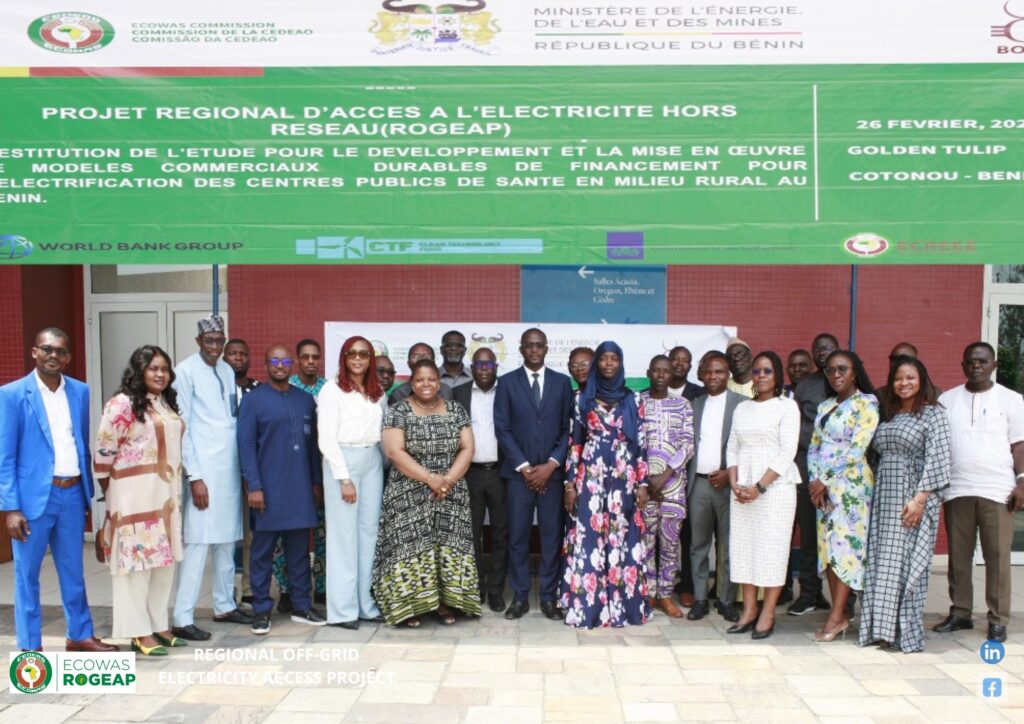
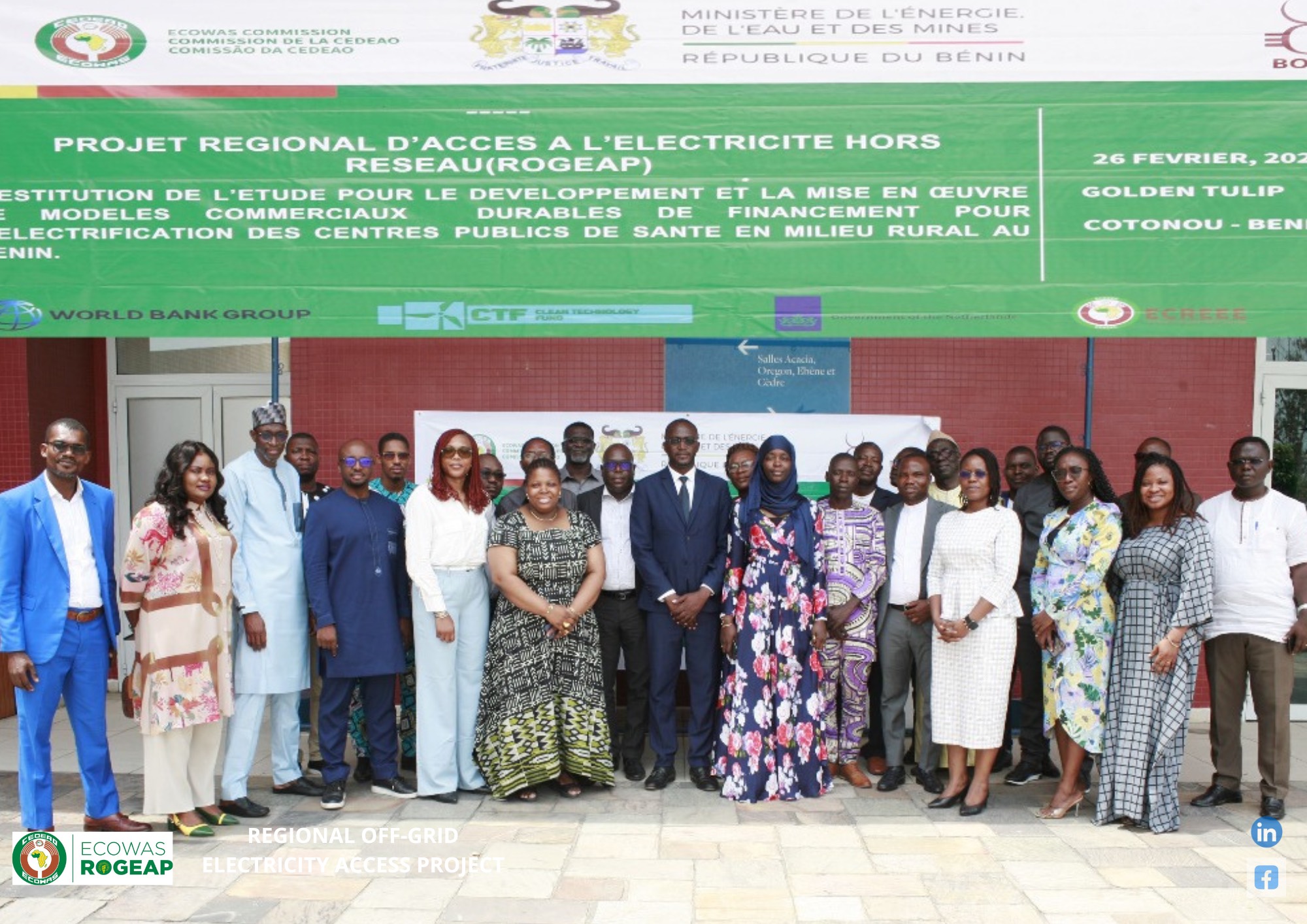
Presentation of the business model for the electrification of public institutions (education and health) in Benin: ECOWAS brings stakeholders together in Cotonou to present the results of feasibility studies.
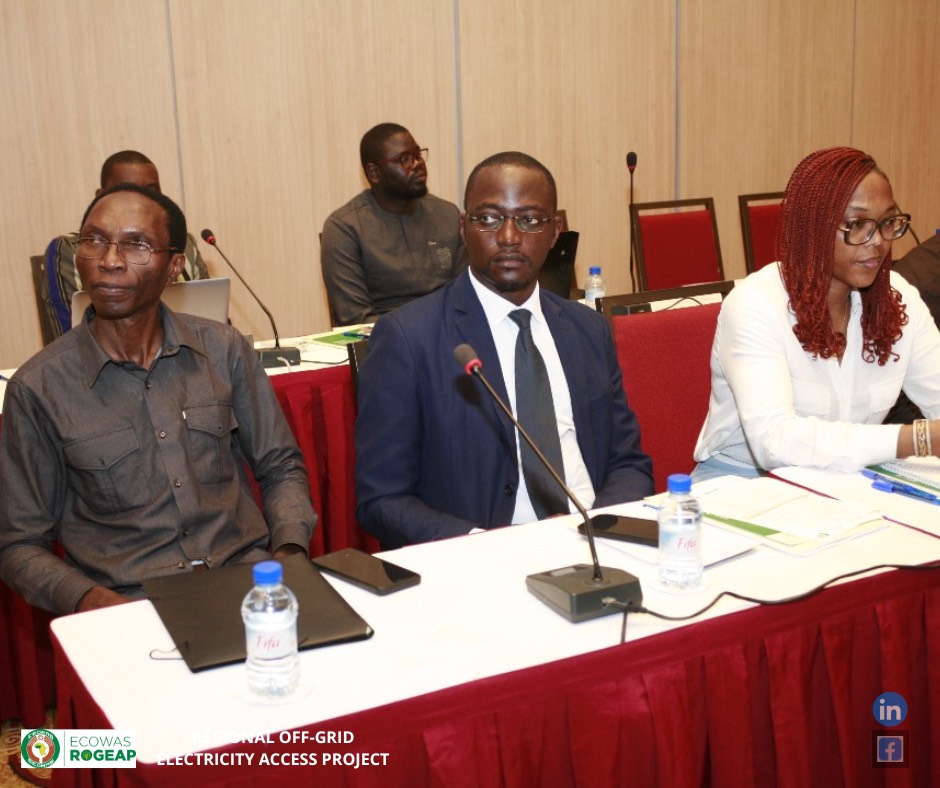
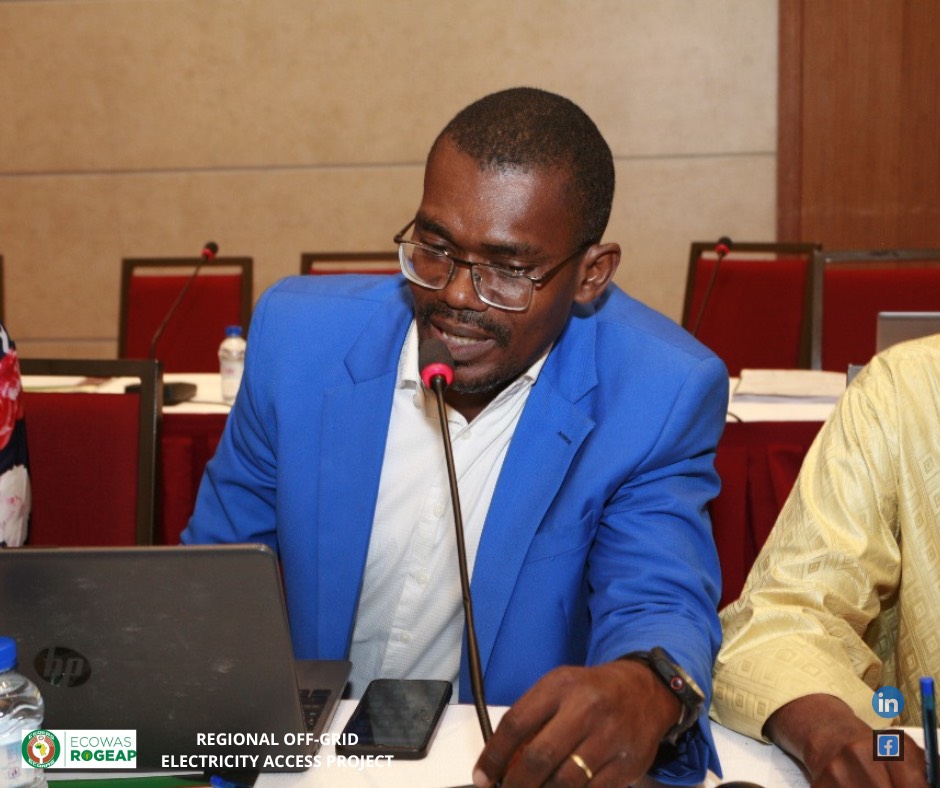
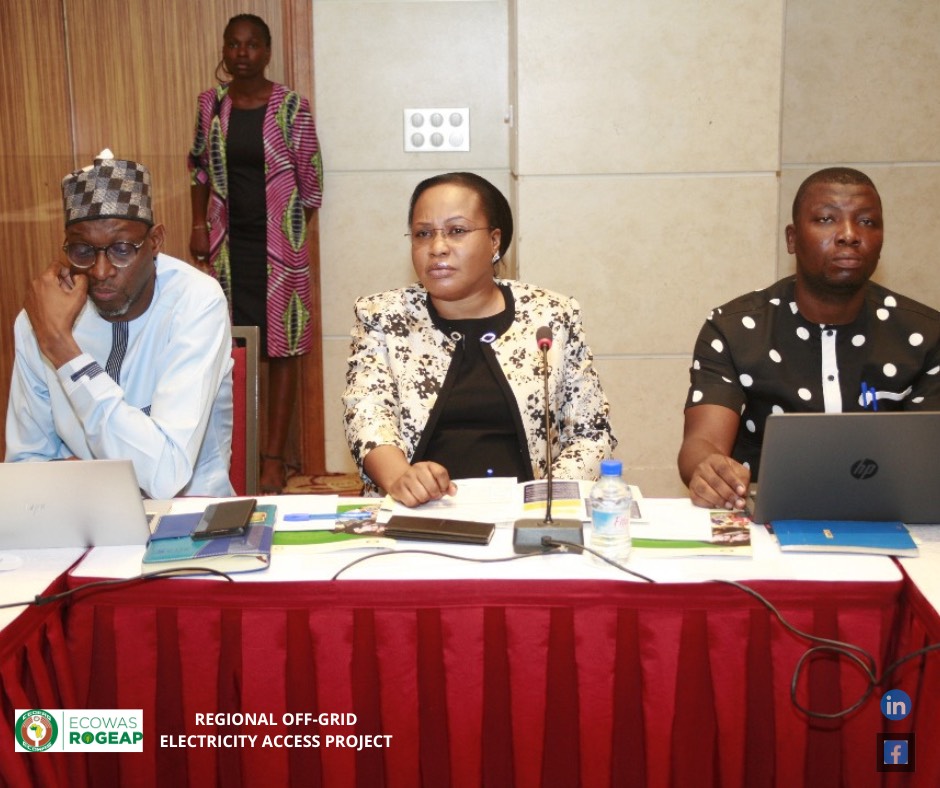
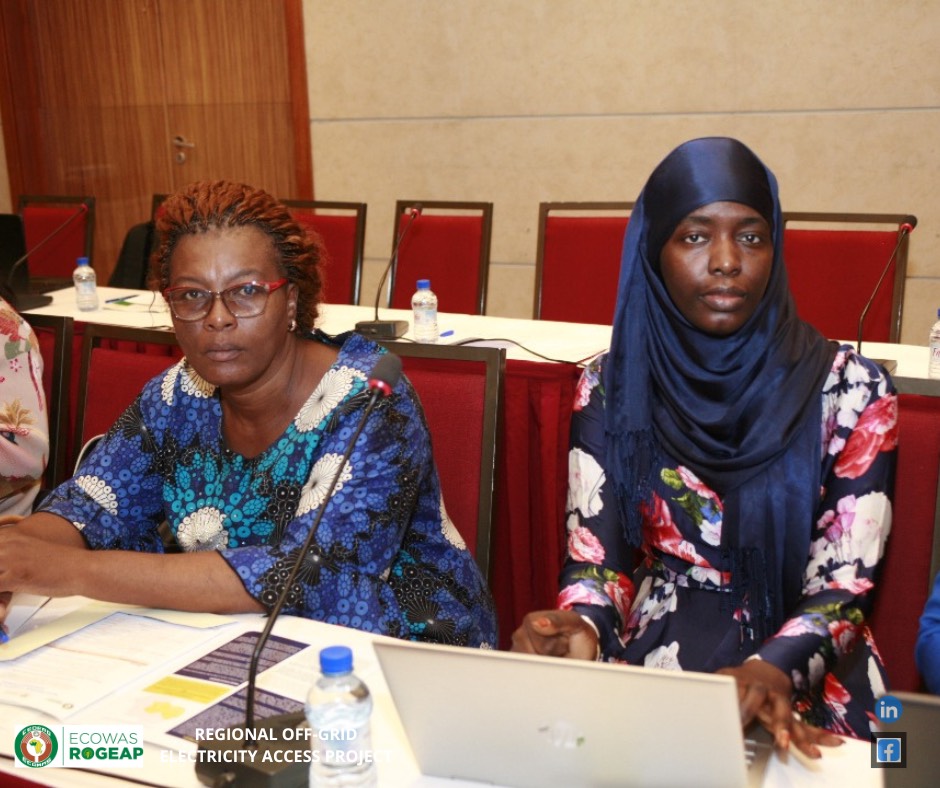
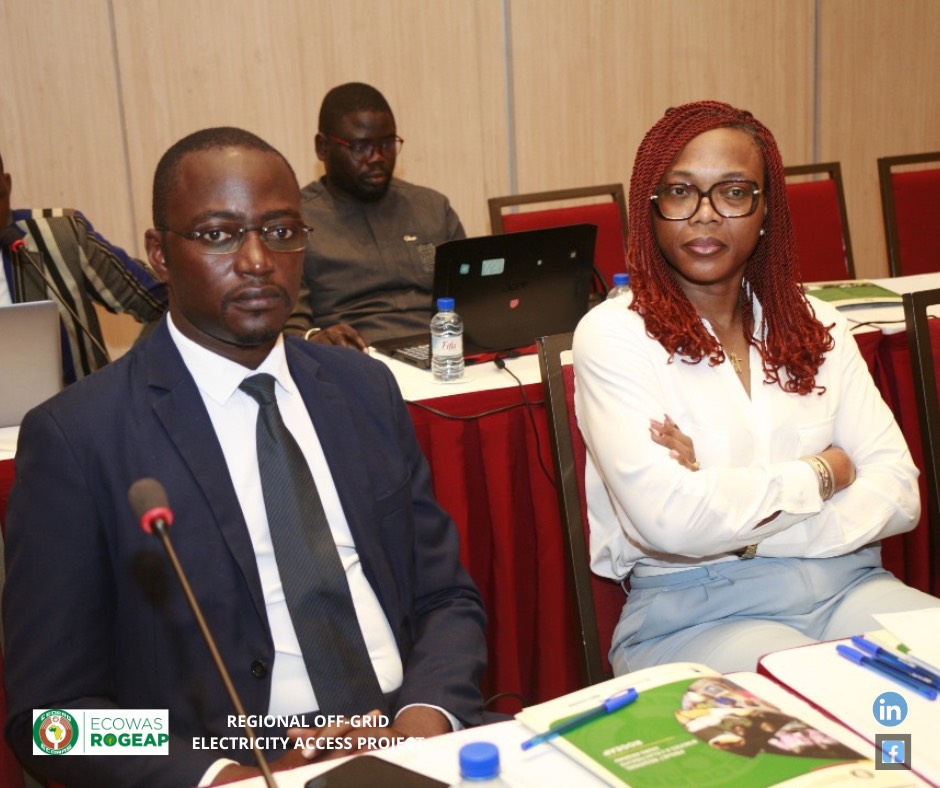
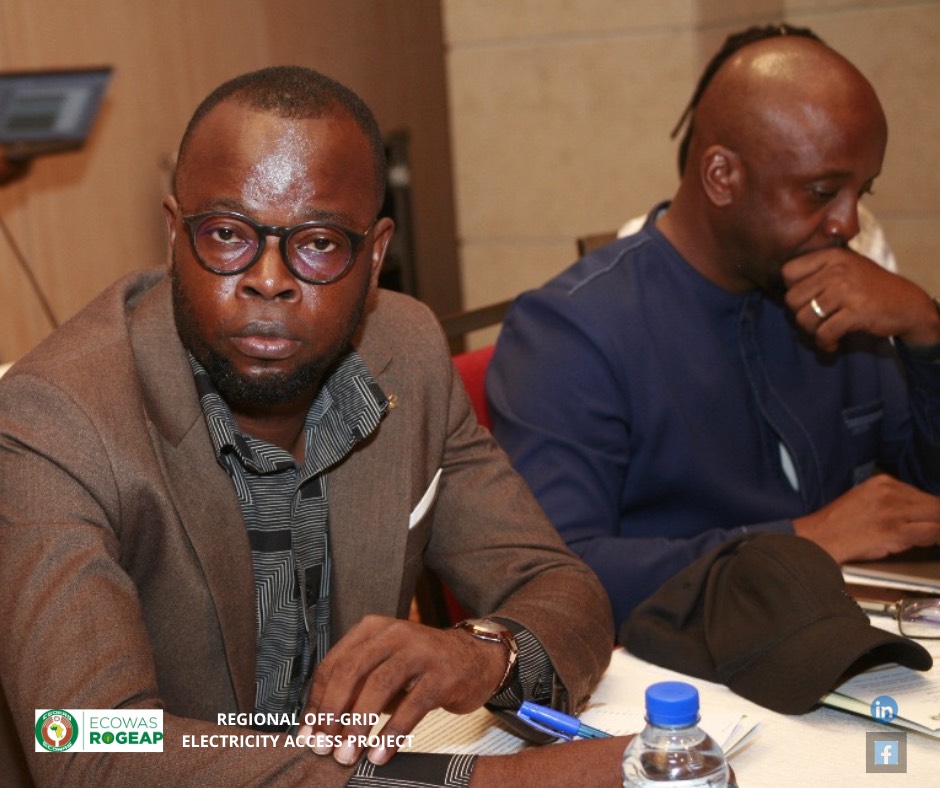
Some thirty participants from the Ministries of Energy, Water and Mines, Health, Economy and Finance, technical and financial partners and the private sector met on Wednesday 26 February 2025 in Cotonou at the initiative of ECOWAS, as part of the implementation of the Regional Off-Grid Electricity Access Project (ROGEAP).
The aim of the workshop was to present the results of feasibility studies into the electrification of 15 rural health centres in Benin using solar photovoltaic technology. Among other things, the first three reports from the study will be presented:
- Carry out an inventory of the electrical equipment in the 15 selected health centres, determine their electricity requirements, and then calculate the capacity of the solar photovoltaic generators to be installed;
- Design a business model for the electrification of public institutions in general by identifying: (i) the challenges relating to the public sector’s payment system for electricity services and (ii) the private sector’s ‘appetite’ for working with a model based on performance-based services;
- And the development of an implementation strategy for the defined model to ensure its sustainability.
ROGEAP is a project funded by the World Bank and its partners to the tune of nearly $340 million. Component 1 (Developing a regional market for off-grid solar photovoltaic systems) is being implemented by the ECOWAS Commission, whilst Component 2 (Access to Financing) is being implemented by the West African Development Bank (BOAD).
ROGEAP aims to improve living conditions for people in 19 countries, including the 12 ECOWAS countries, by providing sustainable energy solutions through off-grid solar photovoltaic systems.